Wiktoria Kaminska breaks out of her bubble: ‘You have to make the algorithm work for you’
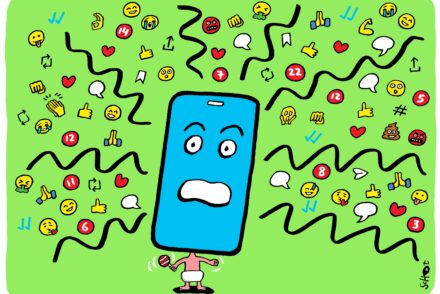
Algorithms guide us through the endless maze of the internet. Sometimes useful, sometimes distracting or confusing. This month, we dive into the bubble of Wiktoria Kaminska (21), a bachelor’s student in Psychology and chair of the SAM faction.
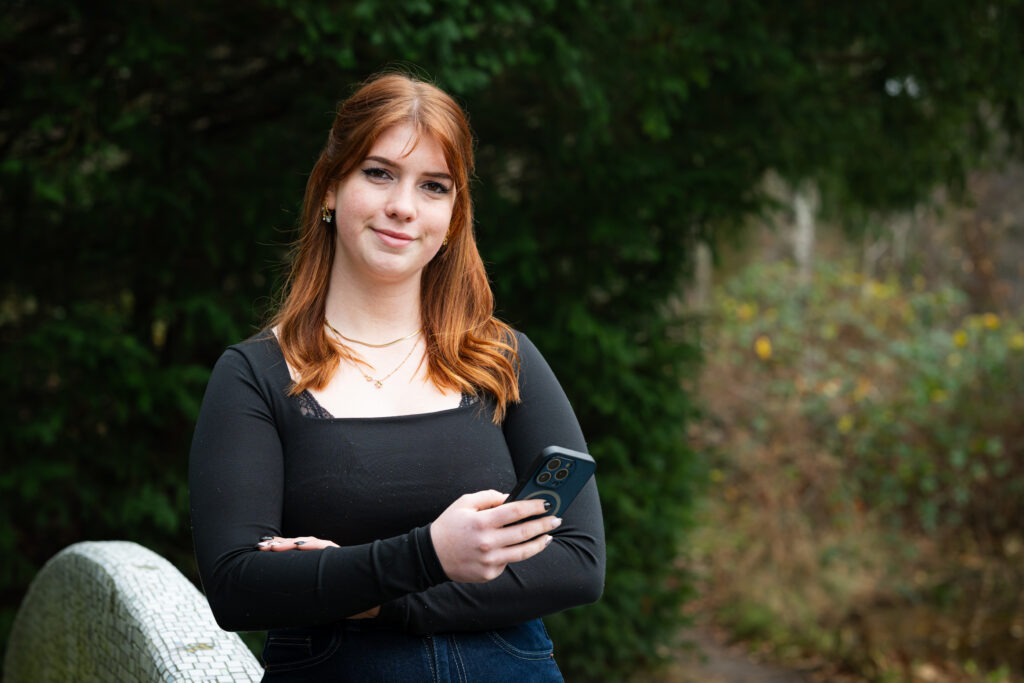
Wiktoria Kaminska. Photo: Jack Tummers
What is your most striking experience with algorithms?
‘Everything happens very fast. During the elections, for example, I suddenly started seeing nothing but videos about the Dutch House of Representatives. What’s funny is that in preparation for this interview I paid extra attention and noticed that content also varies by time of day: more informative videos in the morning, funny animal clips in the afternoon, and more emotional content like music or poetry in the evening.’
What would you rather not have seen?
‘At the beginning, I sometimes came across videos I found really disgusting, like content where someone has to throw up. I can’t laugh about that. But overall, I’ve trained my algorithm a bit, and now I hardly see any gross videos anymore, fortunately.’
How do you consciously deal with your bubble?
‘I sometimes click “not interested” or block hashtags. If I see the same videos multiple times, I scroll past them or actively search for a topic myself. That’s how I try to make the algorithm work for me.
‘If I’m looking for a specific clothing item, for instance, I’ll search for it on TikTok. Not because I expect to see it there, but because it triggers ads for the kind of clothing I’m looking for. You might as well make use of it.’
When did you become aware of how algorithms work?
‘While writing my high school research paper on microtargeting. That’s when I discovered how your online profile determines what content you see. It was mind-blowing to realize how many traces you leave behind and how little privacy you actually have. Since then, I’ve been more conscious of what I do online and try not to let myself be steered too much.’
Has your viewing and scrolling behavior changed because of algorithms?
‘Yes, I’ve become more aware of it and try to moderate it. When I spend less time on TikTok, I notice that I have more energy left for other things, like reading books or watching a movie. And sometimes I make smart use of what’s available online. Recently, for example, I taught myself all kinds of card tricks with the help of TikTok.’
Do algorithms influence your online experience more positively or negatively?
‘Both. Positively because you discover new things, get ideas, or find nice shops. But also negatively: it can lead to comparing yourself to others, motivational videos that actually have a demotivating effect, or content that doesn’t match your mood at all.’
Do you have any tips for using social media responsibly?
‘Make the algorithm work for you, be critical of what you see, actively look up information, and explore different perspectives. That way, you prevent yourself from ending up completely stuck in a bubble.’
Advertentie.